
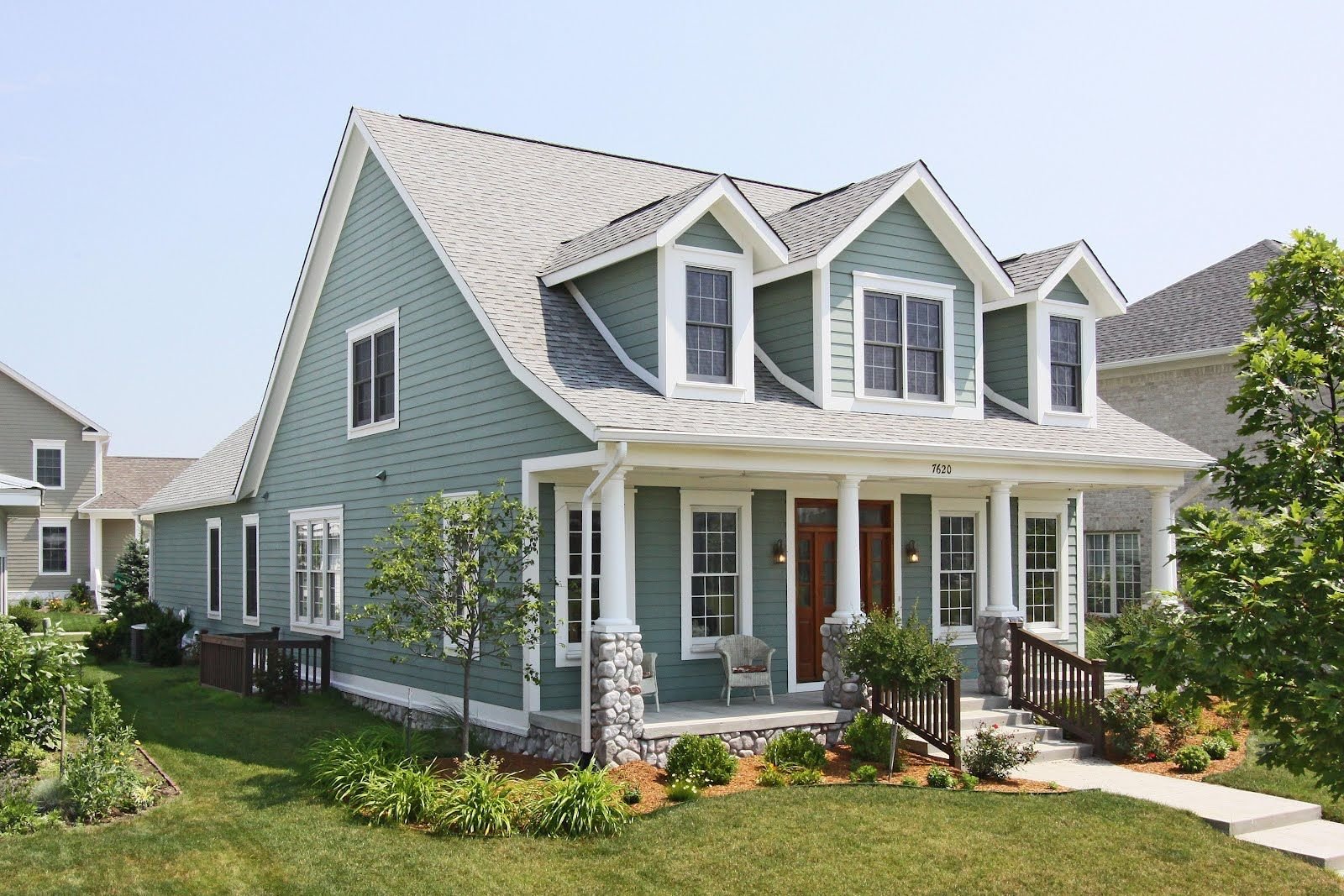
At first glance, paint might seem like paint, but the products, techniques, and considerations behind interior vs exterior painting are actually quite different. Using the wrong type of paint in the wrong setting can lead to premature fading, peeling, or even health and safety issues indoors. Understanding these differences helps you make smarter choices whether you’re refreshing a bedroom or repainting your home’s siding.
This guide breaks down exactly what separates interior and exterior painting, from paint composition to application techniques and everything in between.
Interior Paint vs Exterior Paint Composition
The most fundamental difference between interior and exterior paint comes down to what’s actually in the can. Interior paint vs exterior paint composition differs in a few key ways:
- Exterior paint contains additives designed to resist UV rays, moisture, mildew, and temperature fluctuations all the conditions a home’s exterior faces year-round.
- Interior paint is formulated for a more stable environment, prioritizing washability, stain resistance, and a smoother, more refined finish since it doesn’t need to withstand direct weather exposure.
Using exterior paint indoors (or vice versa) isn’t just a mismatch of properties; exterior paint often contains higher levels of volatile organic compounds (VOCs) that aren’t appropriate for enclosed indoor spaces with limited ventilation.
Weatherproof Exterior Paint: Built for the Elements
Weatherproof exterior paint is engineered specifically to expand and contract with temperature swings without cracking, resist water penetration that could lead to siding damage, and hold up against direct sun exposure without fading prematurely. This weather resistance is essential, since exterior surfaces face constant environmental stress that interior walls simply never encounter.
UV-Resistant Exterior Paint
Sun exposure is one of the biggest factors in exterior paint failure, which is why UV-resistant exterior paint matters so much for lasting curb appeal. Without UV protection, exterior paint, especially darker colors, can fade noticeably within just a few years. Quality UV-resistant formulations help maintain color vibrancy for significantly longer, which is worth the investment given how much more exterior surfaces are exposed to direct sunlight compared to interior walls.
Low-VOC Interior Paint: A Healthier Indoor Choice
Since interior spaces have limited air circulation compared to the outdoors, indoor air quality is a much bigger consideration for wall paint. Low-VOC interior paint significantly reduces the off-gassing and strong odors associated with traditional paint formulations, making it a popular choice for bedrooms, nurseries, and homes with occupants sensitive to strong chemical smells. Modern low-VOC options have improved significantly in recent years, offering comparable durability and finish quality to traditional interior paints.
Comparing Paint Durability
Paint durability comparison between interior and exterior products reveals why using the right one matters so much. Exterior paint is formulated to withstand years of direct weather exposure, while interior paint prioritizes durability against everyday indoor wear, fingerprints, scuffs, and cleaning. Neither product performs well if used in the other’s environment; exterior paint indoors can off-gas excessively in an enclosed space, while interior paint used outside will fail quickly under UV exposure and moisture.
Longevity of Interior vs Exterior Paint
Given the different conditions each type of paint endures, the longevity of interior vs exterior paint varies significantly. Interior paint in a well-maintained home can often last 7-10 years or more before needing a refresh, since indoor environments are far more stable. Exterior paint typically has a shorter lifespan, often 5-10 years depending on climate, sun exposure, and paint quality, simply because it’s constantly battling weather conditions that interior surfaces never face.
Best Paint Finish for Interior Walls
Choosing the right paint finish for interior walls depends on the specific room and its use:
- Flat/matte ideal for ceilings and low-traffic rooms, hides surface imperfections well
- Eggshell: a popular all-purpose choice for living rooms and bedrooms, offering subtle sheen with easy cleanability
- Satin slightly more durable, well-suited for hallways and kids’ rooms
- Semi-gloss highly washable, commonly used in bathrooms, kitchens, and on trim
Best Paint Finish for Exterior Siding
The best paint finish for exterior siding typically leans toward a different set of priorities than interior finishes:
- Flat/matte exterior finishes can hide surface imperfections on older siding but show dirt more easily
- Satin offers a good balance of durability and moderate sheen, popular for most siding applications
- Semi-gloss is often reserved for trim, shutters, and doors, where durability and easy cleaning matter most
Paint Sheen Options Explained
Beyond the interior/exterior distinction, understanding paint sheen options explained in general terms helps with any painting decision. Sheen level affects both appearance and practicality: higher sheen levels reflect more light and tend to be more durable and washable, but they also highlight surface imperfections more than flatter finishes. Lower sheen options hide flaws better but generally offer less durability and washability.
Primer Considerations: Interior vs Exterior
Primer for interior vs exterior surfaces also differs based on the specific challenges each environment presents. Exterior primers often need to address issues like wood tannin bleed-through, rust on metal surfaces, or extreme surface porosity common with stucco or masonry. Interior primers more commonly focus on sealing stains, blocking odors, or helping a fresh coat cover a dramatic color change without requiring excessive additional coats.
Application Techniques
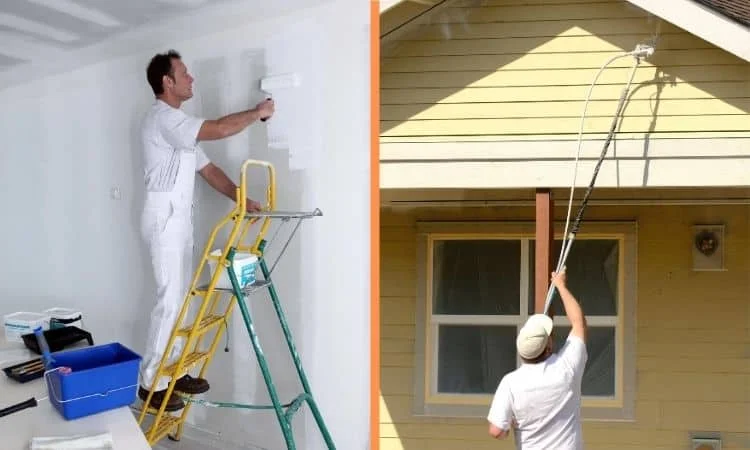
Paint application techniques vary somewhat between interior and exterior projects, largely due to environmental factors. Exterior work must account for wind (which can affect spray application), temperature swings during the day, and the need to work around weather forecasts. Interior painting offers more controlled conditions, allowing for more precise techniques and less concern about environmental interference during application and drying.
Drying Time: Indoor vs Outdoor Painting
Paint drying time indoor vs outdoor also differs due to environmental variables. Interior painting benefits from more consistent temperature and humidity, generally leading to predictable drying times between coats. Exterior painting is more weather-dependent; humidity, temperature, and even direct sunlight can all affect how quickly (or unevenly) paint cures, which is why professional painters carefully plan exterior projects around forecasted conditions.
Seasonal Timing for Exterior Painting
Because of this weather sensitivity, seasonal timing for exterior painting matters significantly more than it does for interior projects. Most climates offer an ideal window, typically spring or fall, with moderate temperatures and lower humidity that allow paint to cure properly. Interior painting, by contrast, can generally be done comfortably any time of year, since climate control keeps conditions stable regardless of the season outside.
Cost Differences: Interior vs Exterior Painting
The cost difference between interior and exterior painting typically comes down to a few factors. Exterior projects often involve more extensive prep work (power washing, scraping peeling paint, priming bare wood), specialized equipment for multi-story homes, and higher-cost weather-resistant paint products. Interior projects, while sometimes requiring their own significant prep depending on wall condition, generally involve less specialized equipment and lower-cost materials, though larger whole-home interior projects can still add up depending on scope.
Choosing the Right Paint Type for Your Project
When it comes to choosing the right paint type, the guiding principle is simple: always match the product to its intended environment. Using interior-specific paint outdoors, even if it seems similar in color and finish, will lead to premature failure, since it lacks the weather-resistant additives exterior surfaces require. Similarly, exterior paint indoors introduces unnecessary VOCs into an enclosed living space without any real benefit.
Working With Interior and Exterior Painting Services
Many companies offer combined interior and exterior painting services, which can be convenient for homeowners planning updates to both areas of their home. Working with a single contractor for both projects can also streamline scheduling and potentially offer better overall pricing compared to hiring separate specialists for each.
Final Thoughts
While interior and exterior paint might look similar on the surface, the formulations, techniques, and considerations behind each are quite different, and using the right one matters for both appearance and longevity. Whether you’re refreshing an indoor space or protecting your home’s exterior from the elements, understanding these differences helps you make informed decisions and get the most out of your next painting project.
Planning an interior or exterior painting project? Reach out to a trusted local painting contractor for a consultation and a personalized estimate.
Frequently Asked Questions
Can I use exterior paint inside my home? It’s not recommended. Exterior paint typically contains higher VOC levels intended for open-air application, which isn’t ideal for enclosed indoor spaces with limited ventilation.
Why does exterior paint cost more than interior paint? Exterior paint includes additional additives for UV resistance, moisture protection, and temperature flexibility, which increases production cost compared to standard interior formulations.
How long does exterior paint typically last compared to interior paint? Exterior paint generally lasts 5-10 years depending on climate and sun exposure, while interior paint in a stable environment often lasts 7-10 years or more before needing a refresh.
What’s the best time of year to paint the exterior of a house? Moderate temperatures and low humidity, typically in spring or fall, provide the best conditions for exterior paint to cure properly and adhere well.
Is low-VOC paint less durable than traditional paint? Not necessarily. Modern low-VOC formulations have improved significantly and generally offer comparable durability and finish quality to traditional interior paints.